9+ curated guides • Updated February 2025
Every year, we'd wheel out pallets of so-called 'doorbuster' TVs, knowing a good chunk of them would be returned by New Year's. As someone who managed the floor for ten chaotic Black Fridays at Target, I'm here to tell you that the best deals aren't always the ones with the biggest signs. I'm pulling back the red curtain to show you how the holiday retail machine really works. We'll break down the two types of Black Friday deals—the 'Value-Seeker' and the 'Volume-Driver'—and I'll give you the playbook we used on the inside, so you can walk out with real value, not just a cheap box.
It's 5 PM. You've made a hundred decisions today, and now you face the most draining one of all: what's for dinner? Before you give in to expensive takeout for the third time this week, consider this: what if the problem isn't the cooking, but the exhausting mental labor that comes before it? For years, I viewed meal kits as a luxury for people who didn't know how to cook. I was wrong. They aren't a cooking product; they are a productivity system. This is the story of how I stopped treating dinner as a chore and started treating it like a streamlined project, with Blue Apron acting as my silent, efficient sous chef.
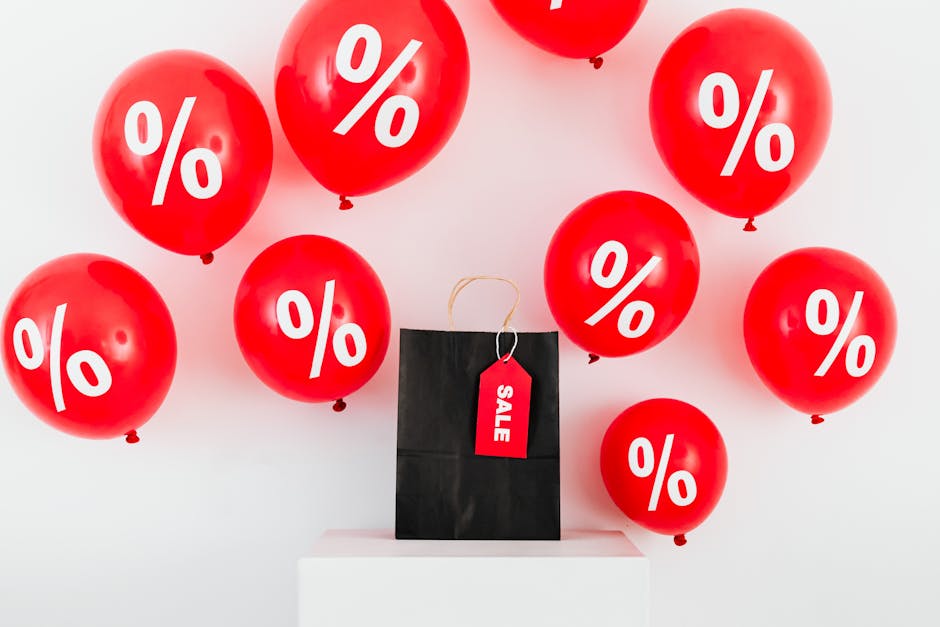
That adrenaline rush of snagging a 70% off gadget on Cyber Monday is powerful, but so is the buyer's remorse when you realize it was 65% off last Tuesday. We've analyzed the data and decoded the retail playbook to reveal the subtle tricks designed to make you spend. Before you add anything to your cart, learn how to spot a genuine bargain from a cleverly disguised trap. This isn't a list of what to buy; it's a field guide to what to avoid. We're pulling back the curtain on the seven most common ways retailers manipulate your perception of value, empowering you with the data-driven skepticism needed to protect your wallet.
You follow the recipe perfectly, using the fancy brioche and fresh eggs, yet you're still left with a plate of sweet, soggy bread. The problem isn't your ingredients; it's the chemistry. This isn't just another recipe—it's a scientifically-proven method to achieve a perfectly caramelized crust and a creamy custard center, every single time. We're going to ignore culinary folklore and look at the two critical scientific principles that govern the success or failure of your breakfast: custard osmosis and the Maillard reaction. By controlling these two variables, we can move from hopeful guesswork to repeatable, delicious results. This is the blueprint for transforming a simple dish into a masterful one by understanding the 'why' behind the 'how'.
You've seen the shocking headlines about AI fakes targeting celebrities and likely dismissed it as a distant, bizarre Hollywood problem. But the same technology is now accessible to anyone, and the photos you share online are the raw material. This is no longer just about protecting stars; it's about building a digital fortress to protect yourself. The tools that generate these hyper-realistic forgeries have been democratized. What once required a Hollywood VFX budget now runs on a consumer-grade laptop. The barrier to entry for creating malicious, reputation-destroying content has collapsed. Every photo you've ever posted—your vacation pictures, your professional headshot, your social media profile images—is a potential data point for an AI model designed to exploit your likeness. This article is not about fear; it's about control. It's time to move from being a passive data source to an active defender of your own digital identity.
Before you say a single word, your tie has already spoken for you. From the bold power statement of a Full Windsor to the casual nonchalance of a Four-in-Hand, each style carries a secret history of class, rebellion, and ambition. Are you sure you're sending the right message? This is not a mere style guide; it is a semiotic deep dive. The necktie, a direct descendant of the Croatian cravat, has evolved from a military marker into the primary canvas for masculine expression in formal and professional settings. The fabric, the pattern, the width—all are important. But the knot is the verb in the sentence. It is the action, the intent. It is where the wearer imposes his will upon the fabric, and in doing so, broadcasts a wealth of information about his personality, his background, and his aspirations for the day.
You meticulously choose the 'low-fat' yogurt, the 'gluten-free' crackers, and the 'organic' juice, believing you're making the best choice for your body. But what if the packaging is lying to you? The truth is, the food industry spends billions on psychological tricks to make you feel good about buying sugar-packed, highly processed foods in disguise. This isn't about shaming your choices. It's about pulling back the curtain on the multi-billion dollar stage production designed to manipulate your purchasing habits. They’ve cast certain buzzwords—'natural,' 'light,' 'whole grain'—as the heroes, creating a 'health halo' that blinds you to the nutritional villainy lurking in the ingredients list. Let's unmask the imposters.
The dopamine hit from a 50% discount is temporary, but the frustration of a useless gadget lasts all year. This Cyber Monday, we're filtering out the noise and the hype. This isn't just a list of what's cheap; it's a curated guide to what's worth it, based on what real people still love and use months after the purchase. We're bypassing the fleeting thrill of the 'doorbuster' to focus on purchases that integrate seamlessly into your life, solving real problems and delivering value long after the novelty has faded. This is your blueprint for a shopping day that ends with satisfaction, not a pile of future clutter.
Picture it: Champagne flows, paparazzi flash outside, and Hollywood's elite trade secrets in a dimly lit, exclusive club. The reality? That 'secret' is probably a pitch for a new wellness app, and the person they're talking to is an agent they've been avoiding for weeks. Forget the fantasy; we're pulling back the curtain to reveal how these A-list sanctuaries function as the world's most stressful, high-pressure office space.